
Coin Toss | Coin Toss Guide on Mango Plus
Coin Toss is a compact cards game for players who want a clearly explained, two-outcome round. The direct answer is simple: review the side choices, select one before resolution, and treat every round as independent entertainment rather than a promise of a win.
Coin Toss Demo practice is the best first step for learning where the choice control, confirmation state, and result display appear. The guide below explains the flow, what to compare, and how to approach mango plus Coin Toss with a measured plan.
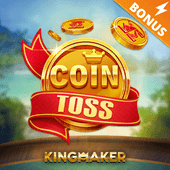 Coin Toss
Coin Toss Related Card Picks
These four cards-category choices are useful reference points when deciding whether the short Coin Toss format suits your session. Each item uses its real name and icon from the Mango Plus game catalogue; selecting an item opens the platform through the same promotion action.
 5 Card Poker
 Cards Hi Lo
 Coin Pusher
 Color Game
Coin Toss Is Built for a Clear Start
Coin Toss is most suitable when you want a quick, easy-to-read card-game decision rather than a long ruleset. In practical terms, the round asks you to make a defined choice, confirm that choice, and watch the result settle. That clarity makes Coin Toss Demo practice approachable for a first visit.
- Before the round: Read the available side labels and the displayed stake or play controls. Do not confirm until the choice matches your intention.
- During the round: Let the result animation finish. A previous result cannot change the independent outcome of the next Coin Toss round.
- After the round: Check the result and account record, then decide whether the planned session still feels comfortable. Never chase a result by increasing a stake impulsively.
- For a first visit: Use mango plus Coin Toss as an orientation to the interface, not as evidence that a particular side is due.
A useful start is one short, pre-timed session. If you already know the two-outcome format and have checked your limits, the action below takes you to the live platform.
How Coin Toss Compares with Card Choices
The useful comparison is not which game guarantees a better result—none does—but which interface matches your preferred level of involvement. Coin Toss has the lightest decision load of this group, while other cards games may add choices, timing, or a more layered presentation.
- Against 5 Card Poker: Coin Toss centres on one short selection, whereas 5 Card Poker is a better fit for players who enjoy hand structure and more decisions.
- Against Cards Hi Lo: Both can feel quick, but Cards Hi Lo asks you to consider a high-or-low relationship. Choose Coin Toss when a simpler two-side prompt is easier to follow.
- Against Coin Pusher: Coin Pusher has an arcade-style visual expectation. Coin Toss is preferable when you want a clean card-category tile and a brief result cycle.
- Against Color Game: Color Game uses colour-based outcome reading. Coin Toss keeps the decision language focused on its two named sides, which can reduce visual scanning.
Players looking for a different pace can keep Horde 2 Winter in mind as a contrasting catalogue option. The comparison should guide comfort and attention, not suggest that one title changes chance.
A thoughtful mango plus review should therefore mention control clarity, session length, and responsible limits alongside theme or excitement. Those factors make a comparison useful even when the outcomes remain random.
Coin Toss Questions, Answered Clearly
The short answers below cover the questions a new Coin Toss player is most likely to ask. Read the answer first, then open the detail when you need a little more context about the mango plus app experience.
Coin Toss Visual Guide to the Play Context
The local images below are visual references rather than promises about outcomes. The Coin Toss tile identifies the cards entry, while the two real platform banners show the surrounding Mango Plus visual context in which a player may locate a game and review an action before selecting it.

When using a small screen, keep the page at its normal zoom, make sure the complete choice is visible, and avoid tapping repeatedly while a result is processing. These simple observations make Coin Toss easier to read without changing the independent nature of the round.
The Coin Toss Points to Remember
The main takeaway is that Coin Toss is easy to understand but not a way to remove chance. A clear interface can support better decisions only when it is paired with a clear personal limit.
- Read the two outcome choices and confirm the selected side before submitting a Coin Toss round.
- Use Coin Toss Demo time to learn navigation, not to build a claim that a streak predicts the future.
- Keep the stake and session length decided before opening the mango plus app or web lobby.
- Compare games by complexity, attention, and comfort; do not compare them as if any title can guarantee a result.
- A credible mango plus review should acknowledge randomness, limits, support, and the player’s own experience.
- Pause after a result, especially after a loss or an exciting win, before making another decision about Coin Toss.
For a wider view of game information and navigation, the Mango Plus game lobby provides the main catalogue context. Return to this guide whenever you want to refresh the basic Coin Toss flow.
Choosing a Coin Toss Session for Your Situation
The right use of Coin Toss depends on the situation around the player, not on a supposed lucky moment. Match the format to your available attention and stop when the original plan no longer fits.
- First-time orientation: Read this guide, open Coin Toss Demo, identify the outcome control, and close the practice view if the instructions are unclear.
- A brief entertainment break: Set a short timer and a small fixed budget. The compact Coin Toss flow may fit a quick break, but a short round is not a reason to extend the session.
- Mobile play: The mango plus app can make access convenient, yet convenience should never mean playing while driving, working, or distracted.
- Game comparison: Use the card choices above to decide whether a two-outcome format is more comfortable than hand decisions, high-low choices, or colour reading.
- Information-led planning: Review the Mango Plus RTP analysis for the platform’s broader information context, while remembering that a published percentage is not a prediction for one Coin Toss round.
- When to skip: Do not open Coin Toss when you are upset, chasing a loss, under the legal age, or unable to keep to a pre-set limit.
These use cases keep the decision practical: understand the interface, choose a limit, play only when comfortable, and leave without trying to recover a previous outcome. That is a more useful habit than searching for a guaranteed side.
Coin Toss: Make Your Next Step Deliberate
You now know what the Coin Toss card tile represents, how a two-outcome round is approached, how it differs from nearby choices, and why a Coin Toss Demo is for familiarity rather than prediction. If the format suits your plan, open the platform, confirm your limits, and keep the session balanced.